'%20gradientUnits='userSpaceOnUse'%20y2='0'%20x2='1'%20y1='0'%20x1='0'%3e%3cstop%20id='stop24'%20offset='0'%20style='stop-opacity:1;stop-color:%233dd2e7'%20/%3e%3cstop%20id='stop26'%20offset='0.09311036'%20style='stop-opacity:1;stop-color:%233dd2e7'%20/%3e%3cstop%20id='stop28'%20offset='1'%20style='stop-opacity:1;stop-color:%235ed000'%20/%3e%3c/linearGradient%3e%3c/defs%3e%3cg%20transform='matrix(1.3333333,0,0,-1.3333333,0,800)'%3e%3cpath%20style='fill:url(%23linearGradient30);stroke:none'%20d='m%20213.546,390.464%20v%20-24.488%20c%20-0.595,0.706%20-1.218,1.39%20-1.865,2.041%20v%200%20c%20-3.151,3.145%20-6.93,5.67%20-11.242,7.496%20v%200%20c%20-4.323,1.831%20-8.984,2.76%20-13.856,2.76%20v%200%20c%20-5.632,0%20-11.013,-1.31%20-15.993,-3.894%20v%200%20c%20-3.671,-1.908%20-6.891,-4.292%20-9.613,-7.114%20v%200%2023.199%20h%20-9.744%20v%20-24.488%20c%20-0.6,0.706%20-1.212,1.39%20-1.864,2.041%20v%200%20c%20-3.157,3.145%20-6.936,5.67%20-11.242,7.496%20v%200%20c%20-4.323,1.831%20-8.983,2.76%20-13.856,2.76%20v%200%20c%20-5.632,0%20-11.013,-1.31%20-15.994,-3.894%20v%200%20c%20-3.676,-1.908%20-6.896,-4.292%20-9.612,-7.114%20v%200%2023.199%20H%2088.921%20V%20342.92%20c%200,-4.967%200.926,-9.653%202.762,-13.93%20v%200%20c%201.83,-4.264%204.346,-8.02%207.491,-11.165%20v%200%20c%203.145,-3.148%206.902,-5.667%2011.168,-7.497%20v%200%20c%204.278,-1.83%208.96,-2.758%2013.929,-2.758%20v%200%20c%204.873,0%209.533,0.926%2013.856,2.758%20v%200%20c%204.311,1.827%208.091,4.349%2011.242,7.497%20v%200%20c%202.39,2.393%204.42,5.141%206.056,8.192%20v%200%20c%201.641,-3.054%203.672,-5.802%206.061,-8.192%20v%200%20c%203.151,-3.148%206.902,-5.667%2011.168,-7.497%20v%200%20c%204.277,-1.83%208.966,-2.758%2013.929,-2.758%20v%200%20c%204.872,0%209.539,0.926%2013.856,2.758%20v%200%20c%204.312,1.827%208.091,4.349%2011.242,7.497%20v%200%20c%200.647,0.652%201.264,1.335%201.865,2.035%20v%200%20-12.29%20h%209.743%20v%2035.35%20c%200,3.479%200.687,6.81%202.042,9.903%20v%200%20c%201.361,3.109%203.219,5.848%205.518,8.146%20v%200%20c%202.293,2.296%205.032,4.152%208.142,5.515%20v%200%20c%203.1,1.353%206.428,2.043%209.905,2.043%20v%200%20c%203.477,0%206.805,-0.69%209.898,-2.043%20v%200%20c%203.117,-1.363%205.856,-3.222%208.149,-5.515%20v%200%20c%202.298,-2.296%204.151,-5.037%205.518,-8.146%20v%200%20c%201.355,-3.096%202.042,-6.429%202.042,-9.903%20v%200%20-35.35%20h%209.744%20v%2035.35%20c%200,4.791%20-0.956,9.369%20-2.837,13.61%20v%200%20c%20-1.875,4.213%20-4.46,7.984%20-7.691,11.213%20v%200%20c%20-3.23,3.231%20-7.005,5.818%20-11.213,7.694%20v%200%20c%20-4.243,1.881%20-8.818,2.836%20-13.61,2.836%20v%200%20c%20-5.999,0%20-11.477,-1.313%20-16.286,-3.903%20v%200%20c%20-3.522,-1.904%20-6.644,-4.28%20-9.321,-7.085%20v%200%2023.179%20z%20m%20-36.861,-71.106%20c%20-3.11,1.357%20-5.85,3.214%20-8.155,5.515%20v%200%20c%20-2.292,2.295%20-4.15,5.041%20-5.511,8.146%20v%200%20c%20-1.356,3.09%20-2.042,6.42%20-2.042,9.901%20v%200%20c%200,3.479%200.686,6.81%202.042,9.903%20v%200%20c%201.361,3.109%203.219,5.848%205.511,8.146%20v%200%20c%202.3,2.296%205.045,4.152%208.155,5.515%20v%200%20c%203.094,1.353%206.422,2.043%209.898,2.043%20v%200%20c%203.477,0%206.805,-0.69%209.905,-2.043%20v%200%20c%203.105,-1.363%205.849,-3.222%208.149,-5.515%20v%200%20c%202.293,-2.296%204.145,-5.037%205.512,-8.146%20v%200%20c%201.356,-3.096%202.041,-6.429%202.041,-9.903%20v%200%20c%200,-3.474%20-0.685,-6.808%20-2.041,-9.901%20v%200%20c%20-1.367,-3.111%20-3.219,-5.851%20-5.512,-8.146%20v%200%20c%20-2.3,-2.299%20-5.044,-4.154%20-8.149,-5.515%20v%200%20c%20-3.094,-1.357%20-6.428,-2.042%20-9.905,-2.042%20v%200%20c%20-3.482,0%20-6.81,0.685%20-9.898,2.042%20m%20-62.317,0%20c%20-3.106,1.357%20-5.844,3.214%20-8.144,5.515%20v%200%20c%20-2.298,2.295%20-4.157,5.041%20-5.518,8.146%20v%200%20c%20-1.355,3.09%20-2.041,6.42%20-2.041,9.901%20v%200%20c%200,3.479%200.686,6.81%202.041,9.903%20v%200%20c%201.361,3.109%203.22,5.848%205.518,8.146%20v%200%20c%202.294,2.296%205.038,4.152%208.144,5.515%20v%200%20c%203.093,1.353%206.426,2.043%209.903,2.043%20v%200%20c%203.477,0%206.805,-0.69%209.905,-2.043%20v%200%20c%203.111,-1.363%205.85,-3.222%208.143,-5.515%20v%200%20c%202.298,-2.296%204.151,-5.037%205.518,-8.146%20v%200%20c%201.355,-3.096%202.041,-6.429%202.041,-9.903%20v%200%20c%200,-3.474%20-0.686,-6.808%20-2.041,-9.901%20v%200%20c%20-1.361,-3.111%20-3.22,-5.851%20-5.518,-8.146%20v%200%20c%20-2.3,-2.299%20-5.038,-4.154%20-8.143,-5.515%20v%200%20c%20-3.094,-1.357%20-6.428,-2.042%20-9.905,-2.042%20v%200%20c%20-3.482,0%20-6.81,0.685%20-9.903,2.042'/%3e%3c/g%3e%3c/svg%3e)
PLATFORM
Microbiome Platform
From Healbiome, our microbiome bank, and PRIME FMT to obligate-anaerobe multi-strain drug development and NGS-based personalized microbiome analysis — explore BioBankHealing's core platform in one place.
FMT Treatment
Korea's No.1 FMT (Fecal Microbiota Transplantation) — BioBankHealing operates Korea's largest stool bank (Healbiome). With a systematic process spanning healthy-donor recruitment, screening, and management, we deliver safe, standardized microbiome-based treatment solutions.
- What is FMT?
- Fecal microbiota transplantation (FMT) is a treatment in which microbes from a healthy donor are specially processed into a microbial solution and transplanted into the patient — typically via endoscopy — restoring a disrupted gut bacterial composition to normal.
- Who is it for?
- FMT is indicated for patients whose gut bacterial composition has been disrupted by antibiotic after-effects or side effects, or in whom overgrowth of Clostridioides difficile in the colon has caused colitis or severe diarrhea that is refractory to, or recurs after, conventional treatment.
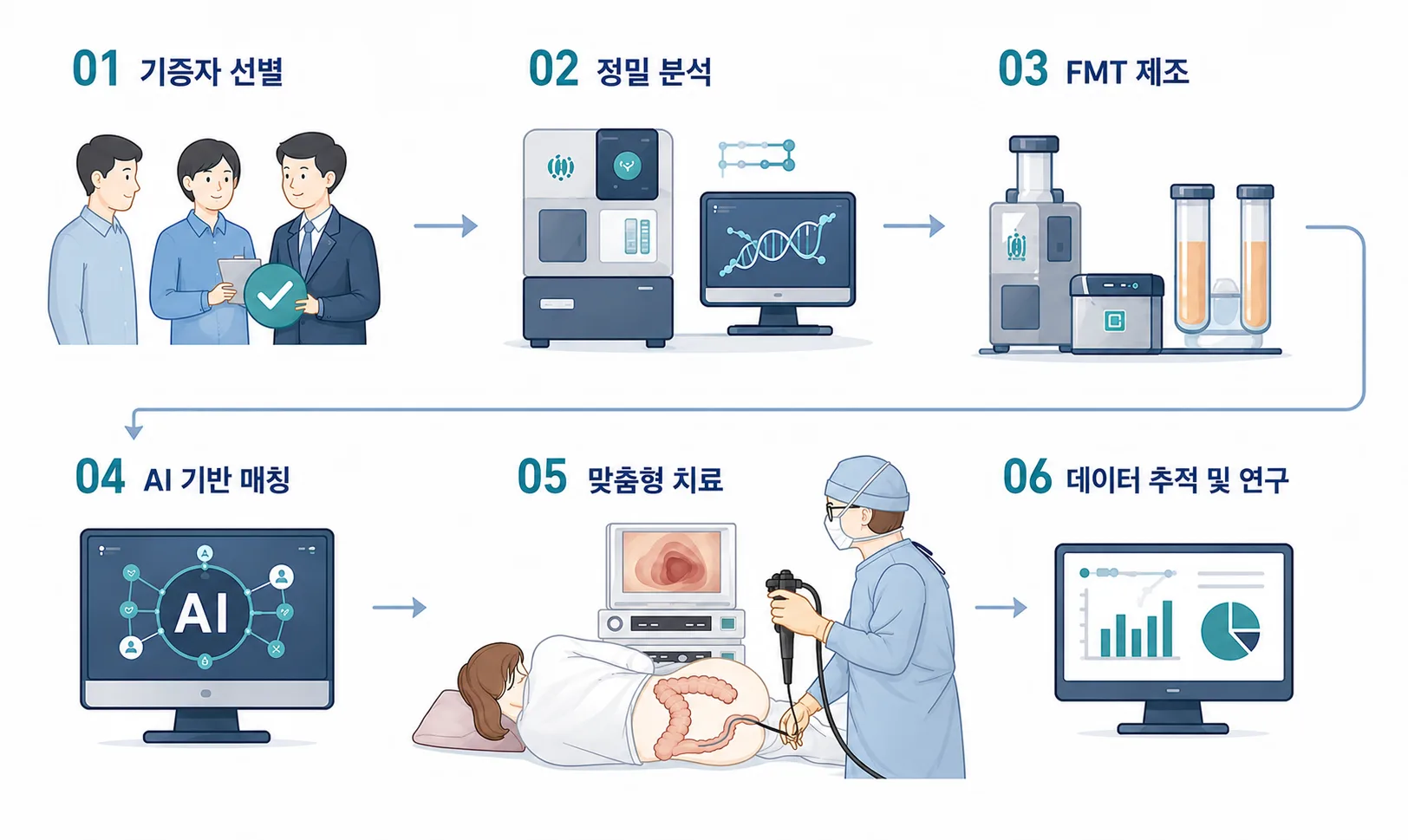
PRIME FMT
Precision Reconstruction of Individual Microbiome Ecosystems
PRIME is BioBankHealing's proprietary personalized FMT platform. Built on a rigorous donor-screening system and accumulated clinical data, it analyzes each patient's gut microbial imbalance and precisely reconstructs an optimal microbial ecosystem.
Drawing on the expertise accumulated through operating Healbiome and on next-generation sequencing (NGS) technology, we deliver personalized FMT therapy optimized to each patient's characteristics and continue to develop safer, more standardized treatment solutions.
Rigorous donor screening · NGS · Personalized FMTHealbiome products
BioBankHealing's FMT products, developed with proven transplantation technology and a standardized manufacturing process.
BioBankHealing's FMT solution and transplantation
technology are already proven effective.
Our FMT solution achieves a treatment efficacy of over 90%. Made from high-quality Super Donor material, its safety has been demonstrated across ten years of clinical use. A systematic FMT donor selection process, together with examination and screening at SNU Bundang Hospital, keeps quality consistently high.
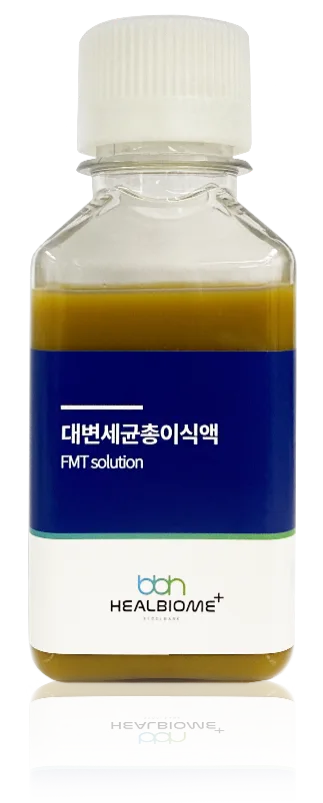
BioBankHealing FMT solution
Fecal microbiota transplant solution (250 ml)
- Over 90% treatment efficacy
- High-quality solution from healthy donors
- Safety demonstrated over ten years of clinical use
What sets the BBH solution apart
Systematic FMT donor screening
- Examination and screening at SNU Bundang Hospital
- Donors selected after specialist consultation
- Stool condition checked at every donation
5+ year supply agreements with Korea's largest university hospitals
- Solution delivered precisely on the scheduled procedure date
- Over 90% treatment efficacy
- Safety verified through 5+ years of clinical use
Know-how from being Asia's first microbiome bank
- Korea's largest supplier of FMT solution
- Manufacturing patent held (Reg. No. 10-2479275)
Quick, responsive support
- Dedicated FMT staff
- Dedicated FMT KakaoTalk channel
- Solutions delivered on the day of the procedure should be fully thawed to a liquid state at room temperature before use.
- Divide the fully thawed 250 ml of solution into five 50 cc syringes.
- Typically, all five are distributed evenly into the ascending colon via colonoscopy. ※ Depending on the situation, three may be distributed into the ascending colon and two into the transverse colon.
- Use the solution within 2 hours of receipt where possible; discard it if it cannot be used within 2 hours.
- Take care not to spill the solution when opening the cap.
- Always wear sterile gloves before dividing the solution into syringes.
- When dividing into five 50 cc syringes, take care not to introduce air into the syringes.
- If the solution is transferred to another container before being drawn into syringes, confirm that the container has been sterilized.
- Prioritize preventing contamination at every step of the process.
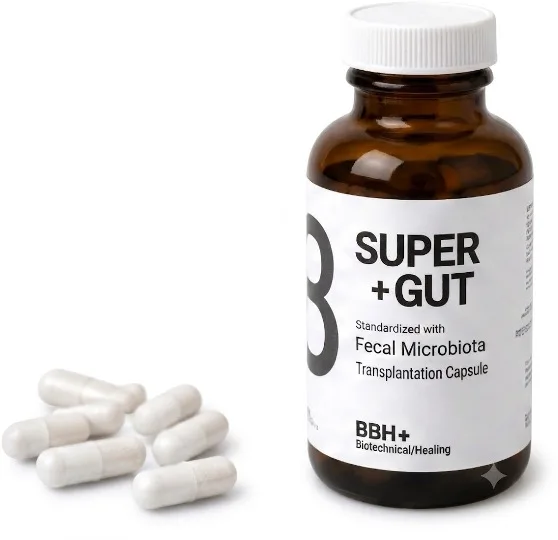
SUPER GUT
SUPER GUT is an oral fecal microbiota transplant capsule developed with rigorous donor screening, a standardized manufacturing process, and enteric-coating technology. Its non-invasive oral format improves patient convenience, while frozen-encapsulation technology and a quality-management system are designed to preserve microbial viability and product quality.
Formulation and dosage
8 × size-0 capsules or 20 × size-4 capsules
Key features
Super Donor Screening
Standardized manufacturing and quality control
Enteric-coated capsule
Microbial viability preserved by an anaerobic manufacturing process
Non-invasive oral administration
Patient convenience and safety
- Preparation: stop antibiotics (discontinue existing antibiotics 24–48 hours before the FMT procedure) and complete bowel prep (use a laxative if needed).
- Fast for 3 hours before taking: maintain a complete fast starting 3 hours before taking the capsules, including no water during this period (to prevent the capsules from dissolving too early in the stomach).
- Fast for 1 hour after taking: continue fasting for at least 1 hour after all capsules have been taken.
- Observation: monitor for adverse reactions and progress for a total of 3 hours from the time of administration.
- Thawing and preparation: unlike the liquid solution, the capsules are not fully thawed. Take them out of the freezer 10 minutes before use and leave them at room temperature. Take them as soon as the surface chill has just worn off — while still cool — to minimize the characteristic odor and any aversion to it.
- Administration: the patient takes the capsules themselves under medical supervision. Taking them with a cold beverage such as chilled juice is also recommended to reduce psychological aversion and ease swallowing.
- Remain in an upright (seated) position for at least 1 hour after taking the capsules to prevent reflux and aspiration.
Supply process for medical institutions
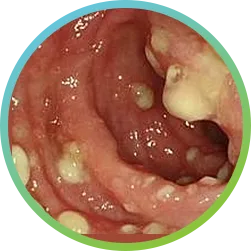
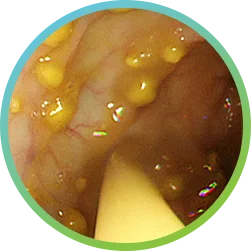
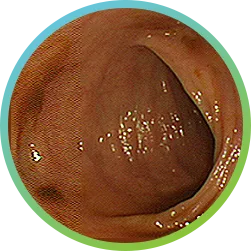
Recurrent Clostridioides difficile infection
A case from SNU Bundang Hospital
In a patient with repeated recurrence and refractoriness to conventional antibiotic therapy, the gut microbial ecosystem recovered after FMT, with significant improvement confirmed in both clinical symptoms and endoscopic findings.
Supplying hospitals
We supply FMT solution and capsules to more than 60 hospitals and clinics nationwide, driving the adoption of microbiome-based therapy across Korea.
-
Seoul National University Hospital
-
SMG-SNU Boramae Medical Center
-
Hanyang University Seoul Hospital
-
Soonchunhyang University Seoul Hospital
-
Kyung Hee University Medical Center
-
Ewha Womans University Seoul Hospital
-
Kangdong Sacred Heart Hospital
-
Seoul St. Mary's Hospital
-
Chung-Ang University Hospital
-
Samsung Medical Center
-
Nowon Eulji University Hospital
-
Seoul Medical Center
-
Seoul Bon Internal Medicine Clinic
-
Chamin Medical Center
-
Mint Hospital
-
Dr. Yoo Internal Medicine Clinic
-
The Clean Family Medicine Clinic
The Clean Family Medicine Clinic
-
Prism Clinic
-
Wellcare Clinic
-
Van H Clinic



















-
Seoul National University Bundang Hospital
-
Soonchunhyang University Bucheon Hospital
-
Bundang Jesaeng General Hospital
-
CHA Bundang Medical Center
-
St. Vincent's Hospital, Catholic University of Korea
-
Hanyang University Guri Hospital
-
Korea University Ansan Hospital
-
Bucheon St. Mary's Hospital
-
Sihwa General Hospital
-
DS Hospital
DS Hospital
-
Sooho Seoul Internal Medicine Clinic
-
Kim Yongsung Internal Medicine Clinic


















-
Jesus Hospital
-
Daejain Hospital
-
Seoul Danaun Clinic
Seoul Danaun Clinic





Microbiome drug development
Building on a library of more than 2,000 gut microbial strains and obligate-anaerobe cultivation technology, we develop next-generation microbiome therapeutics based on multi-strain consortia.
Microbiome drug development platform
An integrated, full-cycle solution — from strain library to preclinical efficacy evaluation
Strain library
- Strains sourced globally
- Advanced isolation and identification technology
- Strain-characteristic and genomic data built out
Multi-strain therapeutic development
- Function-based strain selection
- Synergy-driven multi-strain consortium design
- Formulation and stability optimization
Preclinical efficacy evaluation
- In vitro / in vivo efficacy validation
- Mechanism and biomarker analysis
- Safety and toxicity assessment
Drug development process
Pipeline
We are advancing a pipeline of programs across three therapeutic areas.
Pipeline status is subject to change; please contact us for the most current information.| Therapeutic area | Indications | Pipeline | Lead discovery |
Efficacy evaluation |
GLP toxicology |
Clinical |
|---|---|---|---|---|---|---|
|
Gut disease
|
Recurrent C. difficile infection | BBHMS-05 | ||||
|
Gut disease
|
IBD (inflammatory bowel disease) | BBHMS-01 | ||||
|
Gut disease
|
IBS (irritable bowel syndrome) | BBHMS-02 | ||||
|
Allergic disease
|
Asthma | BBHMS-07 | ||||
|
CNS disease
|
Parkinson's disease | BBHMS-09 |
Microbiome analysis
About 95% of the microbiome in the human body is concentrated in the gut. We analyze gut microbes using next-generation sequencing (NGS) to support disease prevention and treatment, and we offer precision microbiome solutions that help predict an individual's health status.
Diseases commonly associated with the gut microbiome
Digestive disease
Irritable bowel syndrome (IBS), diarrhea, constipation, inflammatory bowel disease (Crohn's disease, ulcerative colitis), and more
Metabolic disease
Obesity, fatty liver, steatohepatitis, liver cirrhosis, type 2 diabetes, and more
Allergic disease
Atopic dermatitis, asthma, allergic skin conditions, and more
Autoimmune disease
Rheumatoid arthritis, lupus, hyperthyroidism, and more
Central nervous system disease
Alzheimer's disease (dementia), Parkinson's disease, autism, depression, ADHD, schizophrenia, insomnia, and more
Cancers
Colorectal, lung, breast, pancreatic, prostate, and thyroid cancer, and more
Cardiovascular disease
Hypertension, stroke, hyperlipidemia, atherosclerosis, myocardial infarction, angina, heart failure, and more
Other conditions
Kidney disease, sleep disorders, chronic fatigue syndrome, skin problems, anti-aging, chronic sinusitis, and more
NGS-based personalized PRIME-FMT
In fecal microbiota transplantation (FMT), it is important to consider both the patient's gut microbial characteristics and the donor's microbiome composition. BioBankHealing uses next-generation sequencing (NGS) to precisely analyze the patient's gut microbiome and compares it against healthy-reference data and our own FMT donor database, supporting data-driven, personalized FMT donor matching that reflects each individual patient's profile.
Why is NGS analysis needed?
Gut microbial composition analysis
We compare the patient's gut microbial composition (taxonomic profile) against healthy-reference data to identify key microbes that are relatively deficient or depleted, then select an FMT donor rich in those microbes.
Taxonomic ProfileCommunity structure analysis
We compare the structure of the patient's gut microbial community (beta diversity) against healthy individuals and our available FMT donors, using community similarity to help select a better-matched FMT donor.
Beta DiversityIntegrated analysis
Beyond taxonomic profile and beta diversity, we integrate microbial diversity (alpha diversity), comparison against healthy-reference data, and donor similarity to support personalized matching.
Alpha · Beta · Donor similarity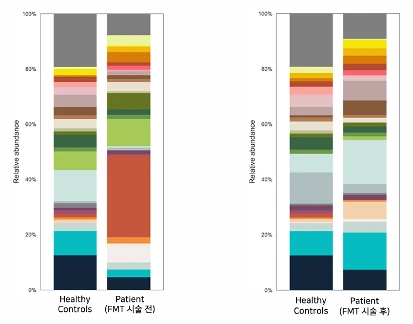
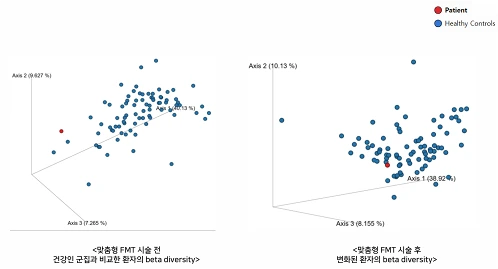
What the analysis provides
- Gut microbial composition (taxonomic profile)
- Comparative analysis against healthy-reference data
- Gut microbial diversity analysis (alpha / beta diversity)
- Similarity analysis against our available FMT donors
- Personalized FMT donor matching results based on the patient's profile
Service process
Who this is recommended for
- Patients planning or considering FMT treatment
- Patients who want personalized FMT that accounts for their own gut microbial profile
- Patients who want to check their gut microbiome status before undergoing FMT
- Patients who want FMT donor matching based on objective analytical results
How to use the stool collection kit
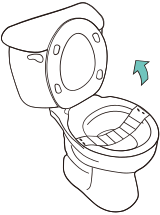 Step 1
Lift the toilet seat and attach the collection sheet as shown.
- The collection sheet dissolves easily in water — take care to keep it dry.
- We recommend urinating before attaching the collection sheet.
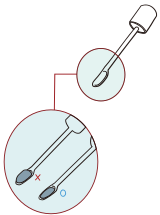 Step 2
Collect the sample using the spoon in the sampling tube.
- The spoon is sterilized — do not touch it with your hands.
- A sample about the size of a fingernail is sufficient.
 Step 3
Place the spoon with the sample into the tube and close the cap tightly so the solution cannot leak.
- The liquid in the tube is a preservative for the sample — take care not to spill it.
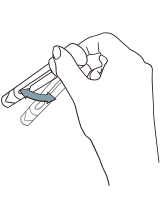 Step 4
Shake the tube from side to side so the sample mixes thoroughly with the preservative.
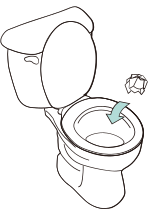 Step 5
Drop the collection sheet into the toilet and flush.
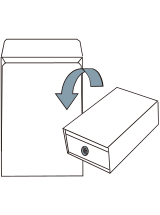 Step 6
Put the tube back into the kit and send it back using the return pickup service.
Consultation & payment
Inquiries
- 070-4442-3399
- 010-8079-4282
- info@biobankhealing.com
Payment methods
- Card payment, KakaoPay, bank transfer
- Bank transfer: Shinhan Bank 100-033-180004
SNS
- KakaoTalk channel ID: 바이오뱅크힐링 NGS
NGS Service (Next Generation Sequencing)
Next-generation sequencing (NGS) is a method for analyzing the genomic DNA sequence information of microbes and other organisms. BioBankHealing's 16S metagenomic sequencing service extracts genomic DNA from a sample (stool, tissue, blood, saliva, and so on), amplifies the 16S rRNA gene (V3–V4) — the representative biomarker present in all microbes — via PCR, and then analyzes it.
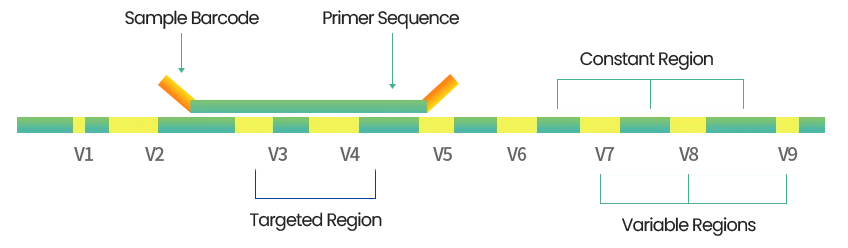
Experimental procedure




Advantages of BioBankHealing's NGS analysis service
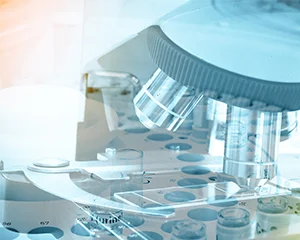
State-of-the-art DNA extraction equipment
Sample DNA is extracted with state-of-the-art equipment, minimizing human error and securing consistently high-quality sample DNA.

Sequencing result report provided
We provide a sequencing result report produced with the analysis software (QIAGEN) used by the U.S. Centers for Disease Control and Prevention (CDC).

Fast turnaround on results
We keep turnaround times short so you get answers quickly.

Quick, responsive support
We run a dedicated NGS KakaoTalk channel for fast consultation and communication.
Key equipment used
- Promega — Maxwell® RSC 48
- Illumina — MiSeq
- Thermo Fisher Scientific — Qubit
- Agilent — 4150 Tapestation
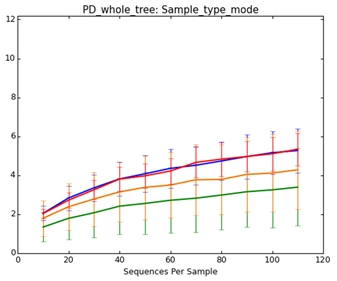
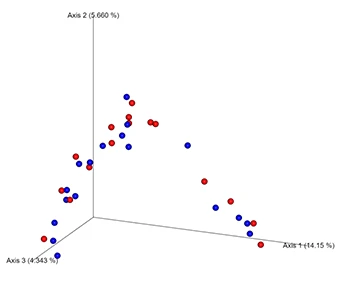
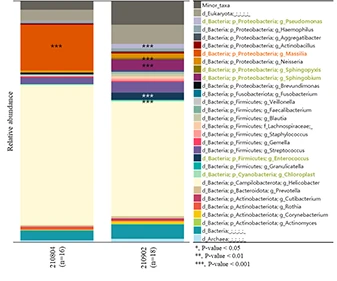
Qiime2-based microbiota analysis
Consultation & payment
Inquiries
- 070-4442-3399
- 010-8079-4282
- info@biobankhealing.com
Payment methods
- Card payment, KakaoPay, bank transfer
- Bank transfer: Shinhan Bank 100-033-180004
SNS
- KakaoTalk channel ID: 바이오뱅크힐링 NGS
Wellness Product
Wellness probiotics products developed on the strength of BioBankHealing's microbiome research.
Probiotic Ingredient
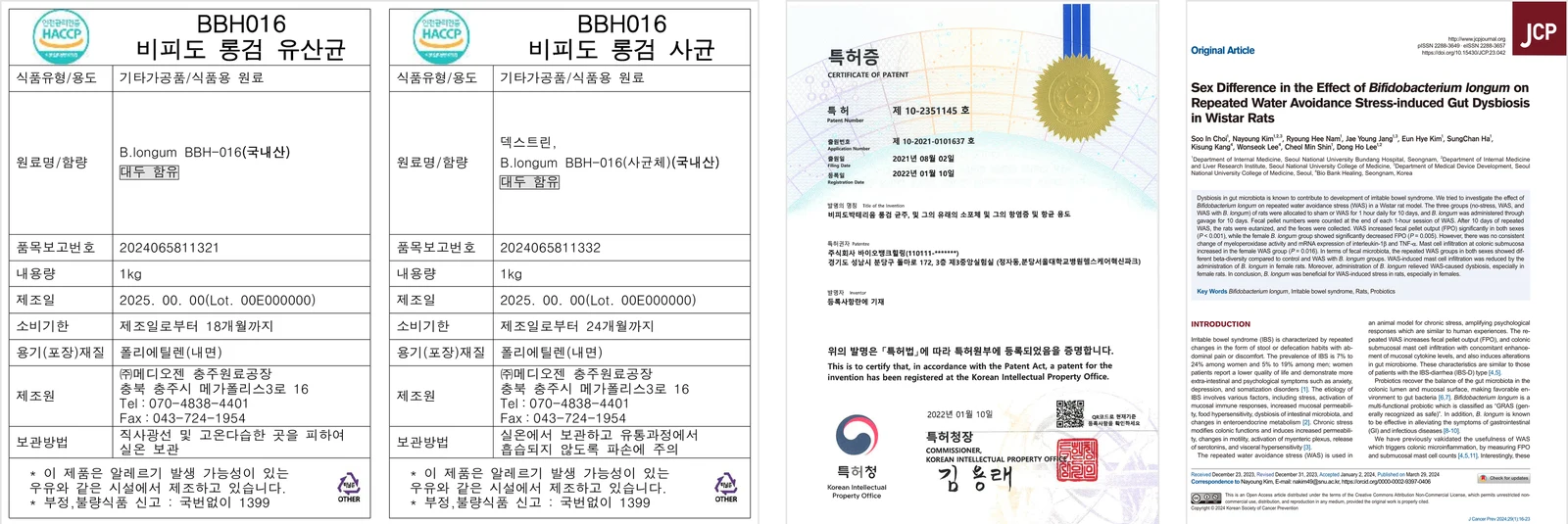
BBH016 (Bifidobacterium longum) — BioBankHealing's proprietary probiotic strain, developed to help improve symptoms of irritable bowel syndrome. It holds HACCP certification and a patent, with efficacy demonstrated through a joint research paper with Seoul National University Bundang Hospital.
Probiotic Product
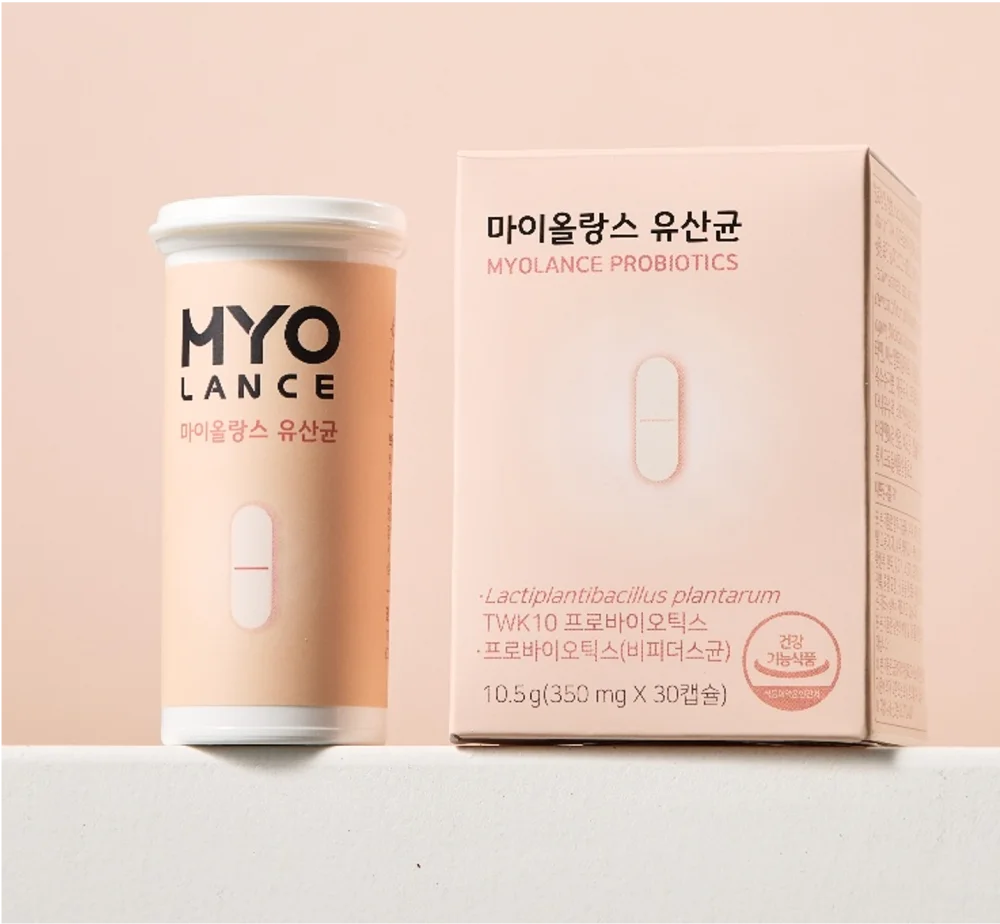
Myolance — a muscle-health probiotics brand for an active daily life.
Muscle-strength probiotics
for an active daily life
Formulated with Lactiplantibacillus plantarum TWK10 probiotics and Bifidobacterium probiotics, Myolance is Korea's first product to use an individually approved functional ingredient recognized for helping improve exercise performance.
Myolance Probiotics
MYOLANCE PROBIOTICS (10.5g, 350mg × 30 capsules)
Muscle-strength probiotics for an active daily life
Designed by BioBankHealing, a medical R&D specialist
Korea's first individually approved ingredient recognized for helping improve exercise performance
A premium four-function structure — gut health, exercise performance, probiotic growth with harmful-bacteria suppression, and bowel movement support
10.2 billion CFU guaranteed
DONATE
Become a donor
A healthy gut can become someone else's chance at treatment. BioBankHealing recruits official stool donors for FMT procedures.
- Location Donation is open only to people living within 1–2 hours of Seoul and the surrounding metropolitan area.
- Age 19 to 50 years old
Donors who pass the questionnaire and the basic screening are invited to proceed with donation.
Donors receive a modest honorarium.
Inquiries: 070-4442-3399
The application form is in Korean
Because the donor programme is run locally and requires residency near Seoul, the application form, the privacy notice, and the consent statements are provided in Korean only.
기증자 정보 작성하기 (Korean form)FAQ
To ensure a safe donation process, every donor undergoes a health screening and eligibility assessment, and donated samples are handled under strict quality-control standards before being used to manufacture our FMT solution and capsules.
Q1. What compensation do donors receive?
A. Donors receive a modest honorarium for each donation.
Q2. How do I donate?
A. Donations can be made in person at our facility; if you live within an hour of our location, courier pickup is also available.
Q3. Do I need to undergo any tests to donate?
A. Yes. For safety, prospective donors must complete our health screening and eligibility assessment. Results are shared with donors who request them.
Q4. Can I donate on an ongoing basis?
A. Once you pass the health screening, you may continue donating for 3 months from your first donation. After that, you can continue donating by passing the health screening and eligibility assessment again.
Q5. What are the donor eligibility requirements?
A. Donors must be healthy adults aged 19 to 50. Anyone who has taken antibiotics within the past 3 months is not eligible. Other eligibility is determined by the health screening and questionnaire.
Q6. Where can I receive an FMT procedure?
A. FMT procedures are available at more than 60 partner medical institutions nationwide that BioBankHealing supplies. See the supply network for details.